
Invisible Home Technology: Unified Luxury Automation
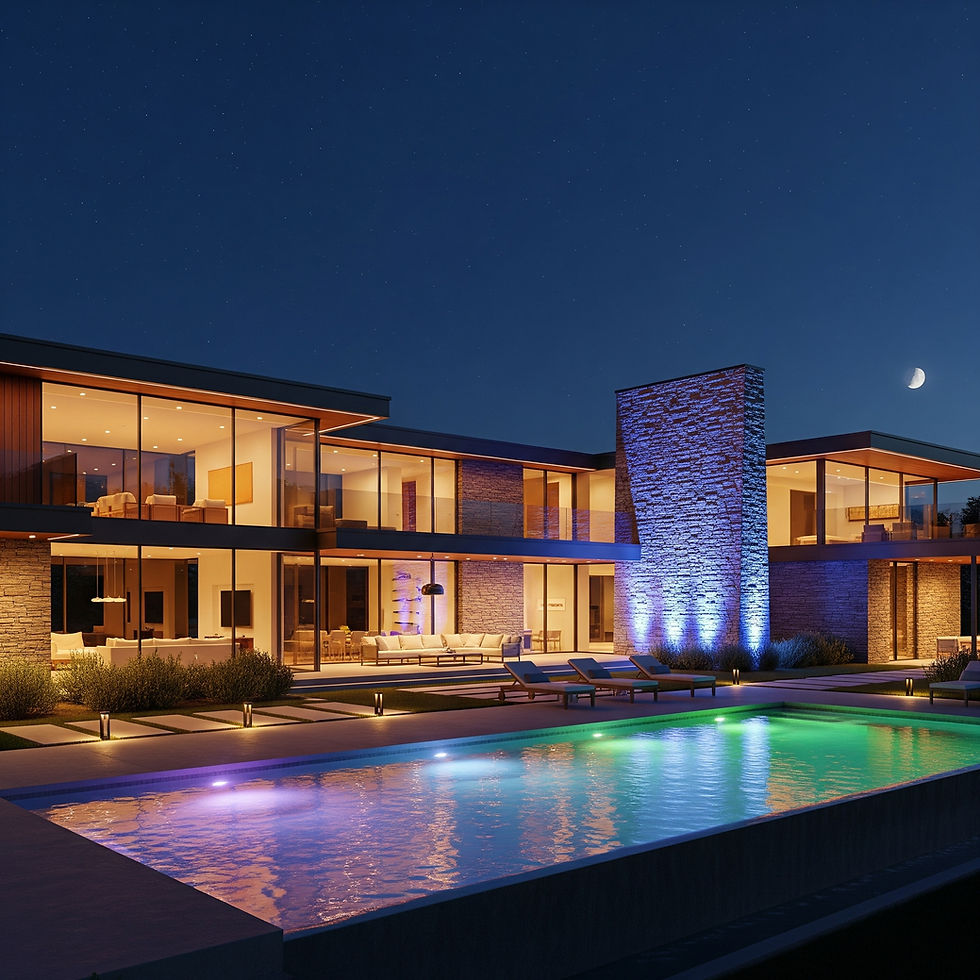
Invisible home technology is not about hiding gadgets. It is about designing a home that does not feel technological at all.
In today’s high tech house, screens, apps, and voice assistants are everywhere. True luxury home automation moves in the opposite direction. It reduces wall clutter, eliminates unnecessary switches, and replaces constant commands with behavior. Instead of telling the house what to do, the house already knows.
This is Unified Luxury Automation. A whole home automation system designed as one intelligent architecture rather than a collection of disconnected devices. Lighting adjusts to daylight naturally. Climate responds to presence. Security operates under one coordinated system brain for long term reliability. Entertainment flows without interrupting the space.
Invisible home technology is not about convenience alone. It begins with Home Automation Plans and Design that define how lighting, climate, energy, security, and control work together before installation. When structured properly, it creates an Autopilot Home that feels intuitive, calm, and responsive.
This is AI Inspired Home Automation built around behavior based smart living and command free living. The result is a high end home automation system that supports modern home design quietly and intentionally, without competing with architecture.
What Is Invisible Home Technology?
Invisible home technology is the evolution of luxury home automation. It is not about hiding gadgets behind panels or inside cabinets. It is about designing a house automation system that disappears into architecture and daily living.
In a high end home automation system, technology does not compete with finishes, furniture, or lighting design. It supports them. The goal is not more visible hardware, but fewer decisions and fewer interruptions. A high tech house interior should feel calm and intentional, not filled with keypads, screens, and scattered controls.
Invisible home technology begins with smart home design that considers automation early. Lighting layouts, climate zones, sensor placement, and control points are coordinated with architectural drawings. The result is a luxury home automation approach where speakers can be flush, sensors can be discreet, and contemporary light switches can remain minimal.
This is design first thinking. Instead of adding devices later, automation is planned into the building itself. When done correctly, the home functions as one unified system, yet the technology remains visually quiet. It works continuously in the background, allowing architecture and daily life to take center stage.
Unified Luxury Automation Under One System Brain
Unified Luxury Automation means designing a whole home automation system around one coordinated intelligence rather than multiple disconnected apps. Instead of assembling complete smart home systems from separate platforms, the house automation system operates through a single logic layer that manages lighting, climate, security, entertainment, and energy together.
This is the foundation of an Autopilot Home. The system is structured so that behavior is defined once and applied consistently across the property. Lighting responds to presence and daylight. Climate adapts room by room. Security remains aware without demanding attention. Entertainment integrates without interrupting architecture.
Platforms such as Loxone are built around this one brain philosophy. The automation logic lives locally and continuously evaluates conditions, occupancy, and time of day. Josh AI can complement this structure by providing natural voice interaction when desired, but voice remains an optional interface rather than the primary method of operation.
The difference between fragmented control and Unified Luxury Automation is architectural. When a home relies on multiple ecosystems, each system operates independently. When designed under one system brain, the house behaves as a coordinated environment. This approach delivers the best home automation solution not because it offers more features, but because it eliminates conflict between them.
Unified Luxury Automation is not about adding more technology. It is about organizing it intelligently so the home functions as a single, responsive system that feels effortless to live in.
The Autopilot Home — Behavior Based Smart Living
Behavior Based Smart Living is where invisible home technology becomes real. It moves beyond control and into anticipation. Instead of waiting for commands, the home observes presence, daylight, time, and context, then responds naturally.
This is the idea behind an Autopilot Home. It is a house that already knows when to brighten a hallway, soften evening lighting, adjust room temperature, or increase security awareness at night. These decisions are not triggered by voice assistants or constant app use. They are the result of defined logic built into the system architecture.
AI Inspired Home Automation does not mean cloud driven gimmicks or random suggestions. It means structured behavior. Sensors detect occupancy. Brightness levels inform lighting balance. Schedules adjust based on real conditions rather than fixed timers. Entertainment fades when rooms empty. Climate adapts room by room. Security becomes more alert when the house sleeps.
Command Free Living does not remove control. It simply reduces the need for it. Touch surfaces, minimal light switches, and voice interfaces remain available when desired. But the default state of the home is responsiveness, not waiting.
The difference between smart control and behavior based automation is subtle but powerful. Control requires interaction. Behavior based automation creates an environment that feels intuitive. It is the closest expression of the House That Already Knows, where technology disappears and daily living feels effortless.

Invisible Technology in High Tech House Interiors
Invisible home technology becomes most powerful when it disappears physically into the architecture. A true high tech house interior is not filled with visible devices. It is designed so technology becomes part of the structure itself.
Invisible speakers allow audio to fill a space without visible grills or bulky hardware. Invisible wall speakers and invisible ceiling speakers blend seamlessly into finished surfaces, preserving clean lines and intentional design. Music is present, but the hardware is not.
The same philosophy applies to sensing and security. Invisible motion sensors and invisible presence sensors can be integrated discreetly into ceilings and architectural elements. Invisible window sensors and door sensor invisible solutions allow access awareness without exposed components disrupting the aesthetic. Security operates quietly in the background rather than announcing itself visually.
Architectural lighting elements can also become part of the experience. A translucent panel backlit with integrated LED layers can serve as both illumination and design feature. Instead of visible fixtures, light can be embedded into walls, ceilings, or millwork, reinforcing the concept that technology supports the structure rather than interrupting it.
In a properly designed house automation system, hardware placement is coordinated during planning, not after construction. Wall Smart flush mounts, minimal light switches, and contemporary light switch designs reduce wall clutter and maintain architectural purity.
Invisible home technology is not about hiding equipment randomly. It is about integrating it intentionally so the high tech house feels calm, modern, and refined. Sensors disappear. Speakers vanish. Security integrates quietly. Technology supports the design without competing with it.
Minimal Switches, Maximum Intelligence
In a well designed home, walls should support architecture, not compete with it. Contemporary light switch design has evolved to reflect this shift. A minimal light switch is no longer a simple on and off device. It becomes a refined interface within a larger automation system.
When automation logic handles lighting behavior, climate response, and presence awareness, the need for multiple switches disappears. Fewer buttons mean fewer visual interruptions. Wall clutter is reduced because intelligence lives in the system, not in a row of controls.
Wall Smart flush mounts and clean switch designs allow interfaces to sit nearly flush with the surface, preserving the integrity of modern interiors. Instead of combining thermostats, dimmers, scene controllers, and keypads in every room, one coordinated control point can manage multiple functions when needed.
Manual interaction still exists. It is simply not required constantly. Lighting adjusts automatically. Climate adapts room by room. Security operates in the background. When someone wants to override or personalize a setting, the interface is available and intuitive.
Supporting modern home design with home automation means designing intelligence into the structure so walls remain calm and intentional. Fewer switches. Cleaner walls. Maximum intelligence operating quietly behind them.
Invisible Home Technology Starts on the Floor Plan
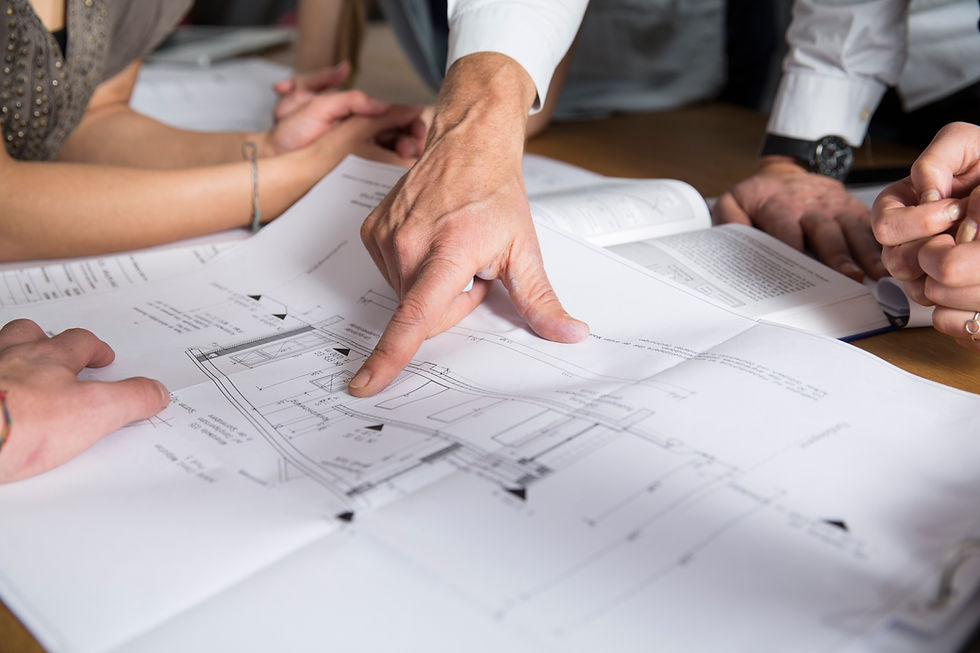
Invisible home technology is not achieved by hiding devices after construction. It begins with Home Automation Plans and Design that define how systems integrate into the building from the start.
True home automation design considers wiring pathways, sensor placement, lighting layers, equipment locations, and control philosophy before walls are closed. This is not a product decision. It is an architectural decision. A complete home automation system design aligns lighting, climate, security, audio, and energy under one coordinated logic layer that supports the structure itself.
Design documentation for a home automation project ensures that every element is intentional. Detailed drawings and system diagrams allow builders, electricians, and future technicians to understand how the house automation system was designed and how it should function. This level of documentation supports long term serviceability and protects resale value by proving the system was professionally planned.
Home automation design services extend beyond selecting hardware. They define behavior, flexibility, and scalability. When you hire home automation designers early in the process, invisible speakers, minimal switches, hidden sensors, and centralized system brains are coordinated with architectural layouts rather than forced into finished spaces.
Home Automation Design and Installation support works best when planning leads the process. Invisible systems are not added later. They are designed into the building so the technology becomes part of the structure and operates quietly for years to come.
Home Automation Design and Installation support means guiding the project from concept to completion. It includes collaborating with architects, interior designers, builders, electricians, and homeowners to ensure the automation system design aligns with the floor plan, infrastructure, and long-term goals.
This support can be delivered nationwide, coordinating system logic, documentation, wiring strategy, and platform decisions so that installation teams execute with clarity. The goal is not just to specify equipment, but to define how the house automation system should behave and how it will be maintained in the future.
When design and installation are aligned, invisible home technology becomes intentional, documented, and serviceable.
Whole Home Automation That Ages Gracefully
A whole home automation system should not be defined by the latest device or interface trend. It should be defined by how well it continues to function ten or twenty years from now. In a high end home automation system, the real value lies in system architecture, not in the visible hardware.
Complete smart home systems built around scattered products often age quickly. Apps change. Interfaces evolve. Manufacturers discontinue models. When automation is designed as a unified structure, luxury home automation remains stable even as individual components are updated over time.
The difference is planning. When logic, zoning, infrastructure, and documentation are established early, devices can be replaced without redesigning the entire house automation system. Lighting fixtures may change. Speakers may be upgraded. Control interfaces may improve. The core automation logic continues operating consistently.
This long term stability also supports resale value. A documented and well structured system proves that the home was professionally designed rather than assembled. Future homeowners and technicians can understand how it works and maintain it with confidence.
Devices change. Interfaces evolve. System architecture endures. That is what allows whole home automation to age gracefully rather than become obsolete.
Heyo Smart’s Invisible Home Technology
Heyo Smart’s Invisible Home Technology is a design first approach to luxury home automation. It is built on the belief that technology should disappear into architecture, not dominate it.
Rather than assembling complete smart home systems from off the shelf products or fragmented professional platforms, this methodology establishes a unified logic layer that coordinates lighting, climate, energy, security, and entertainment under one system brain. The result is a whole home automation system that feels intuitive, stable, and calm.
Through structured home automation design services, Heyo Smart collaborates with architects, interior designers, builders, and homeowners to integrate automation into the floor plan from the beginning. Sensors remain discreet. Contemporary light switches stay minimal. Invisible speakers blend into walls and ceilings. Detailed documentation ensures long term serviceability and clarity years after installation.
Invisible home technology makes it possible to create homes that feel intelligent and responsive. Lighting adjusts without being told. Climate adapts room by room. Security operates under one coordinated system brain for lasting stability. Entertainment integrates naturally into the space. The result is a house that already knows, not one that waits for constant commands.
Today, you can design scenarios that reflect how you live. Even ambitious invisible technology visions can be translated into a practical and professionally engineered system. Through complete Home Automation Plans and Design, those ideas become a unified automation architecture that makes the home feel like a natural extension of you.
Some homeowners imagine a futuristic AI-powered residence seen in movies. In practice, that means designing a unified automation system where lighting, climate, security, and entertainment operate intelligently under one coordinated brain.
The goal is not to offer a themed setup. It is to design a whole home automation system that captures the spirit of advanced living through structured logic, thoughtful planning, and disciplined system architecture.
Heyo Smart’s Invisible Home Technology is not about adding more connected devices. It is about reducing decisions, cleaning up walls, and supporting behavior based living through architecture driven home automation.

Comments