
How to Design a House: From Floor Plans to a Fully Automated Modern Home
Designing a house is a step-by-step process that turns lifestyle goals into a buildable, future-ready home. Understanding how to design a house means defining how the home should function day to day, translating those needs into clear house floor plans, and coordinating design, technology, and construction decisions from the very beginning. A successful home design is not accidental—it is planned, documented, and engineered.
Modern home design starts long before finishes or furniture are selected. It begins with defining space requirements, budget limits, site conditions, and long-term flexibility. Early decisions about layout, natural light, storage, and home office design directly affect comfort, efficiency, and resale value. When these fundamentals are addressed early, house blueprints become clearer, construction runs smoother, and costly redesigns are avoided.
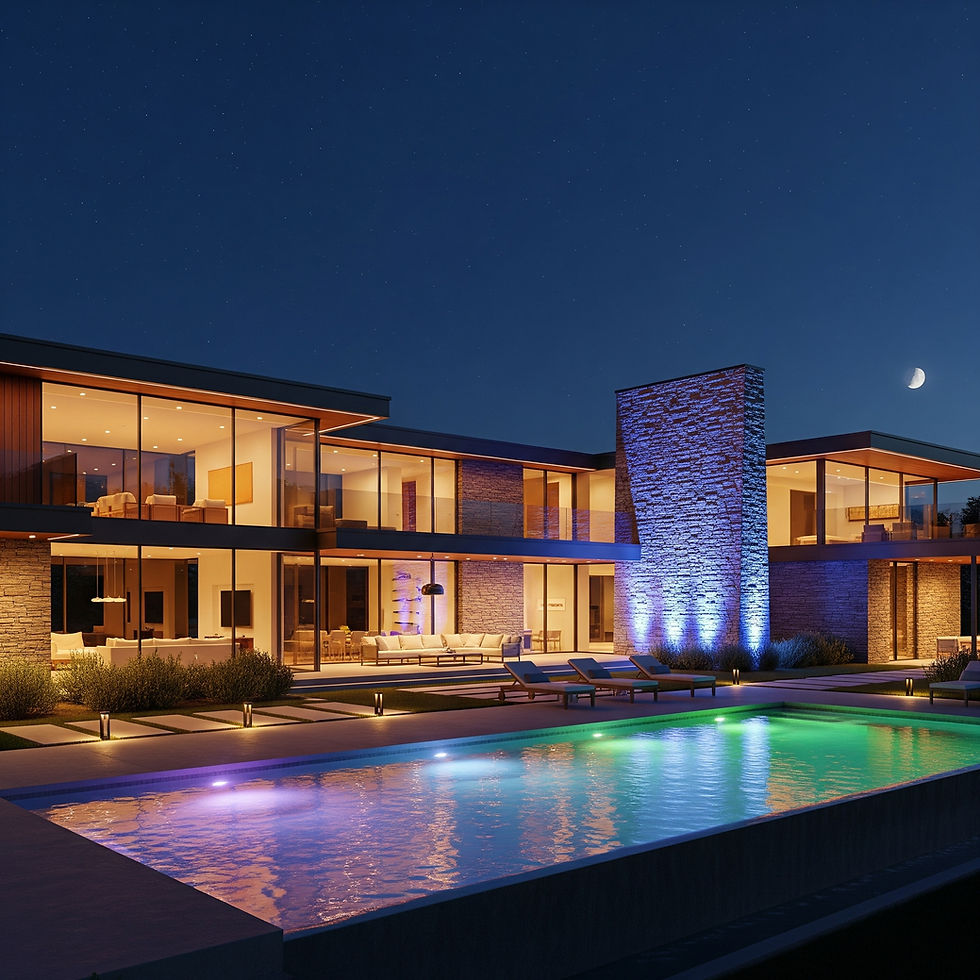
Today, new house design ideas increasingly include technology as part of the architectural plan. Home automation, security systems, and energy management are no longer optional upgrades—they are integral to modern home design. Planning home automation early allows lighting, climate, security, and solar-ready infrastructure to be designed into the home, rather than forced in later. This approach results in cleaner design, better performance, and a more intuitive living experience.
This guide breaks down how to design a house in practical phases—from preparation and concept planning to detailed floor plans, design documentation, and automation system design. Whether you’re working with a home designer, planning new construction, or preparing for a remodel, the goal is the same: a home that is well-designed, intelligently planned, and effortless to live in for years to come.

How to Design a House: Preparation, Planning, and Smart Decisions
Knowing how to design a house starts with preparation—not drawings or materials. The first step is defining what the home must do for the people living in it. This includes daily routines, work-from-home needs, entertaining habits, privacy requirements, and long-term plans. Clear priorities at this stage prevent design changes later and create a strong foundation for every decision that follows.
Smart home design begins by aligning lifestyle goals with realistic planning. Room count, square footage, circulation paths, storage needs, and flexibility for future changes should all be outlined before any layouts are finalized. Modern home design focuses on efficiency and usability just as much as appearance, ensuring spaces feel natural to move through and easy to live in.
Planning also means making early decisions about how the house will evolve over time. A well-prepared design accounts for future family needs, technology integration, and energy efficiency without locking the home into rigid layouts. By addressing these elements upfront, the home design process stays focused, intentional, and build-ready—setting the stage for detailed floor plans, professional design collaboration, and intelligent system planning in the next phases.
Define Your Lifestyle Needs, Spaces, and Budget
Every successful home design begins with a clear understanding of how the house needs to function. Before floor plans are drawn, outline how the home will be used day to day—working, relaxing, entertaining, and hosting guests. These lifestyle patterns determine room sizes, adjacencies, and priorities far more accurately than visual inspiration alone.
Start by listing essential spaces and features: primary living areas, bedrooms, storage, and specialty rooms such as a home office design that supports focus, privacy, and technology needs. New house design ideas often fail when spaces are added without considering how they connect or how often they will be used. Designing for function first ensures every square foot serves a purpose.
Budget planning must happen alongside space planning. Establish a realistic budget range that includes design, construction, systems, and contingencies. Early budget alignment helps guide material selections, construction methods, and the level of technology integration without compromising the overall vision. When lifestyle needs, spatial requirements, and budget are defined together, the home design process stays efficient, controlled, and ready to move into detailed planning.
Analyze Your Site Before Creating House Floor Plans
Before any house floor plans are finalized, the site must be evaluated in detail. Property boundaries, zoning regulations, setbacks, easements, and local building codes define what is legally and physically possible. These constraints should guide design decisions from the start, not after plans are already drawn.
A complete site analysis includes a land survey, topography review, and confirmation of utility access such as water, sewer, electrical service, and drainage. Sun orientation and prevailing winds are equally important, influencing window placement, room orientation, energy efficiency, and overall comfort. These factors directly impact how floor plans should be shaped and positioned on the lot.
For new home construction designs, the relationship between the house and the land is critical. Driveway access, grading requirements, views, and neighboring structures all affect layout decisions. Even when using a house blueprint maker or adapting pre-designed layouts, plans must be adjusted to reflect real-world conditions. The most successful new construction home designs are those that respond to the site first, resulting in floor plans that are efficient, compliant, and ready for detailed development.
Create Initial Layouts and Functional Flow
With site constraints understood, the next step is shaping house floor plans that prioritize movement, privacy, and usability. Early layouts should focus on how people enter the home, move between spaces, and transition from public to private areas. These decisions establish the foundation for comfort and efficiency long before finishes are considered.
Effective home design organizes spaces by function. Living areas, kitchens, and dining spaces typically form the public core, while bedrooms, bathrooms, and offices are placed in quieter zones. Circulation paths should feel natural and direct, avoiding unnecessary hallways or awkward room connections. Storage, stairs, and service spaces should be positioned to support flow rather than disrupt it.
In modern home design, layout simplicity and clarity are key. Open plans still require structure—visual separation, acoustic control, and logical zoning—to function well in daily life. Early planning for furniture placement, lighting layers, and future system integration ensures floor plans remain flexible and adaptable as needs evolve. Strong initial layouts make the transition to detailed design, automation planning, and construction far more efficient.
Hire a Home Designer and Design Team That Fits Your Project
Once initial layouts take shape, the next step is selecting a home designer and design team that aligns with the scope and complexity of the project. The right professionals translate lifestyle goals and early concepts into coordinated plans that are accurate, buildable, and compliant with local requirements.
When searching for a home designer near you, focus on experience with projects similar to yours—new construction, major renovations, or integrated systems. A designer who understands spatial planning, materials, and construction methods helps avoid costly revisions and ensures design intent is preserved through the build process. For renovations, working with home remodel designers near you is especially important, as existing conditions, structural limits, and phased construction require a different level of planning.
A well-matched design team typically includes a designer or architect, structural and mechanical engineers, and specialists as needed for lighting, technology, or energy systems. Early collaboration between these professionals keeps decisions aligned, reduces conflicts between trades, and creates a smoother transition from design to construction. Choosing the right team at this stage sets the tone for efficiency, clarity, and long-term success.

Develop Detailed Floor Plans and Design Documentation
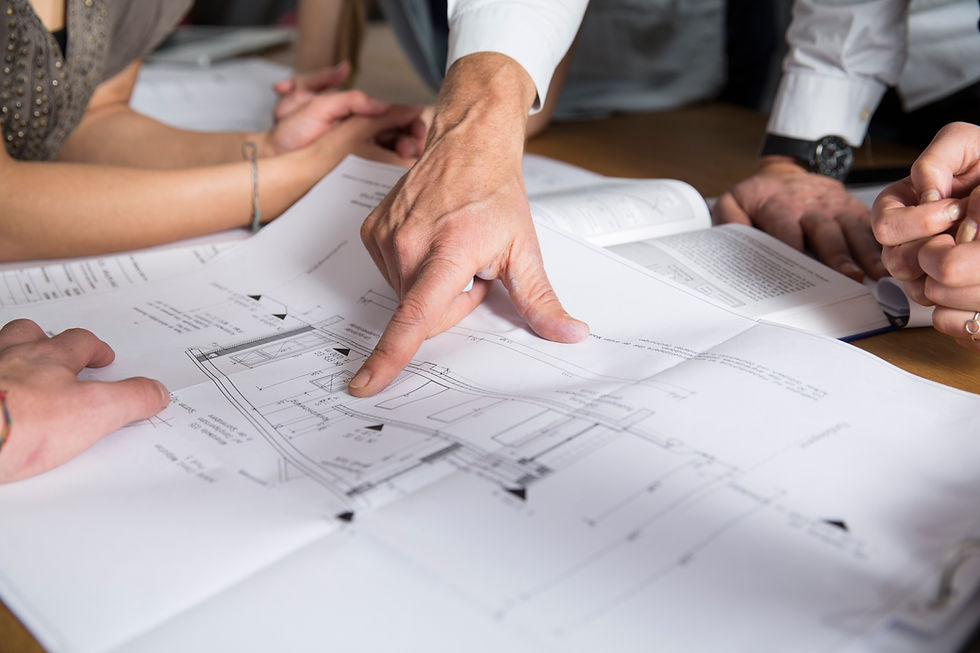
After the design team is in place, conceptual layouts are refined into detailed house floor plans that define how the home will actually be built. This stage locks in wall locations, room dimensions, door and window placement, stairs, and circulation paths. These plans become the reference point for all trades involved in construction.
At the same time, design documentation expands beyond architecture. Electrical, lighting, climate, and technology systems must be coordinated with the floor plans to avoid conflicts later. This is where design documentation for home automation becomes critical. Structured wiring paths, equipment locations, control zones, and future expansion points should be clearly documented rather than left to interpretation in the field.
For a complete design documentation for home automation project, drawings often include wiring diagrams, system layouts, and integration notes that align with architectural and engineering plans. When floor plans and automation documentation are developed together, the result is a build-ready design that installs cleanly, performs reliably, and preserves the original design intent. This level of coordination significantly reduces change orders, delays, and long-term limitations.
Modern Home Design Starts With Infrastructure and Automation
True modern home design begins with what is built into the structure, not what is added after. Infrastructure decisions—power distribution, low-voltage wiring, equipment locations, and network design—shape how the home functions long before finishes are installed. When these elements are planned early, the home operates efficiently and remains adaptable over time.
A modern home design with home automation treats technology as part of the architecture. Lighting, climate control, shading, audio, and security systems are integrated into the layout and construction rather than layered on top. This approach allows automation to remain visually discreet while delivering consistent performance throughout the home.
Planning home automation in modern home design at the infrastructure stage ensures systems work together seamlessly. Control zones align with room layouts, automation logic supports natural daily routines, and future upgrades can be accommodated without opening walls or redesigning spaces. By designing infrastructure and automation together, the home becomes simpler to use, easier to maintain, and better prepared for long-term living.
Home Automation Plans and System Design
Effective home automation plans and design start with defining how the home should behave, not which devices to install. Automation logic is built around daily routines, presence detection, time of day, and environmental conditions. These decisions shape how lighting, climate, shading, audio, and security systems interact automatically throughout the home.
A strong home automation system design organizes the house into functional zones rather than isolated rooms. Scenes for arrival, evening, work, sleep, and away modes are planned in advance so systems respond naturally without constant user input. Presence-based logic ensures spaces activate only when needed, improving comfort while reducing energy waste.
This level of planning requires collaboration with a home automation designer who understands both system architecture and residential design. Thoughtful home automation design aligns control logic with floor plans, infrastructure, and lifestyle goals, resulting in a system that feels intuitive rather than technical. When automation is designed—not improvised—it becomes an invisible layer of the home that supports everyday living effortlessly.
Custom Home Automation Design and Design Services
Every home functions differently, which is why custom home automation design is essential for projects that prioritize performance, reliability, and long-term value. Pre-packaged systems often force homeowners to adapt their lifestyle to the technology. A properly designed system does the opposite—it adapts to the home, the architecture, and the people living in it.
This is where home automation design services move beyond product selection and into engineering. Instead of choosing devices first, automation is designed around floor plans, infrastructure, and daily routines. Lighting behaviors, climate logic, security responses, and energy management are all planned as part of a unified system rather than separate subsystems.
For projects that demand this level of coordination, many homeowners choose to hire home automation designers who work alongside architects, designers, and builders from the earliest stages. This approach ensures automation remains visually discreet, technically robust, and fully integrated into the structure of the home.
Heyo Smart focuses on Home Automation Design and Installation Support as a single, continuous process — designing, documenting, and implementing automation systems that function as part of the home’s architecture. By treating automation as an engineered system rather than a collection of gadgets, the result is a home that operates intuitively, scales easily, and remains dependable for years to come.
Home Automation Security System Integration
A true home automation security system is designed as part of the home’s overall architecture, not added later as a collection of disconnected devices. Cameras, access control, sensors, lighting, and alerts perform best when they are planned together and integrated into the home’s automation logic from the start.
Heyo Smart approaches home automation and security design, installation and configuration as a coordinated system rather than a device-based solution. Security events are tied directly into lighting behavior, presence detection, audio alerts, and remote notifications, creating predictable and meaningful responses instead of unnecessary noise or false alarms.
By designing security alongside automation, structure, and daily routines, Heyo Smart ensures protection remains intuitive and reliable. The result is a home where safety operates quietly in the background—automated, responsive, and fully aligned with the way the home is designed to function.
Automated Home With Solar and Energy-Smart Design
An automated home with solar designs goes beyond energy production—it manages how power is generated, stored, and consumed throughout the day. Solar panels, battery storage, EV charging, and high-efficiency systems perform best when they are coordinated through a centralized automation strategy rather than operated independently.
Home automation plays a critical role in energy optimization. Loads are managed dynamically based on time of day, occupancy, utility rates, and available solar power. Climate systems adjust intelligently, EV chargers balance demand, and non-essential loads are reduced automatically to improve efficiency without sacrificing comfort.
Heyo Smart designs energy-aware systems that support modern home design while preparing homes for long-term sustainability. By integrating solar, energy monitoring, and automation into a unified system, the home operates more efficiently today and remains adaptable as energy technologies evolve. The result is a smarter, cleaner, and more resilient home built for the future.
Final Selections, Coordination, and Build Readiness
By this stage, the foundation of the project is set. You’ve selected your architect or home designer, finalized floor plans, and chosen Heyo Smart as the home technology designer to work alongside your design and construction team. The focus now shifts to coordination—ensuring every system, material, and trade is aligned before construction begins.
The design and implementation of a home automation system requires close collaboration between architects, designers, electricians, HVAC contractors, and builders. Lighting layouts, control zones, equipment locations, and infrastructure paths must be coordinated with structural details and interior finishes. Clear documentation and communication at this stage prevent conflicts in the field and protect the original design intent.
As a home automation builder, Heyo Smart supports this phase by translating design documentation into executable plans and working directly with the project team during installation. This coordinated approach ensures systems are installed cleanly, commissioned properly, and ready to perform as designed. When all disciplines move into construction aligned, the home is truly build-ready—technically, architecturally, and operationally.
How to Design a House That Feels Effortless to Live In
Understanding how to design a house goes beyond drawings and specifications. It is about creating a home where spaces flow naturally, systems work quietly in the background, and daily life feels intuitive rather than managed. When layout, infrastructure, and technology are planned together, the home supports living instead of demanding attention.
Great home design anticipates needs before they arise. Lighting responds to presence, climate adapts automatically, security operates without friction, and energy systems work efficiently without manual control. This level of comfort is not achieved through products alone—it comes from thoughtful planning and integrated home automation design that aligns with the architecture and the way the home is used.
Endless searching often leads to endless decisions. A well-designed home removes that friction by replacing guesswork with clarity and coordination. When design, automation, and execution are treated as one process, the result is a home that feels calm, responsive, and effortless to live in—today and for years to come.

Comments