Personalized Smart Home Solutions for New Home Builds
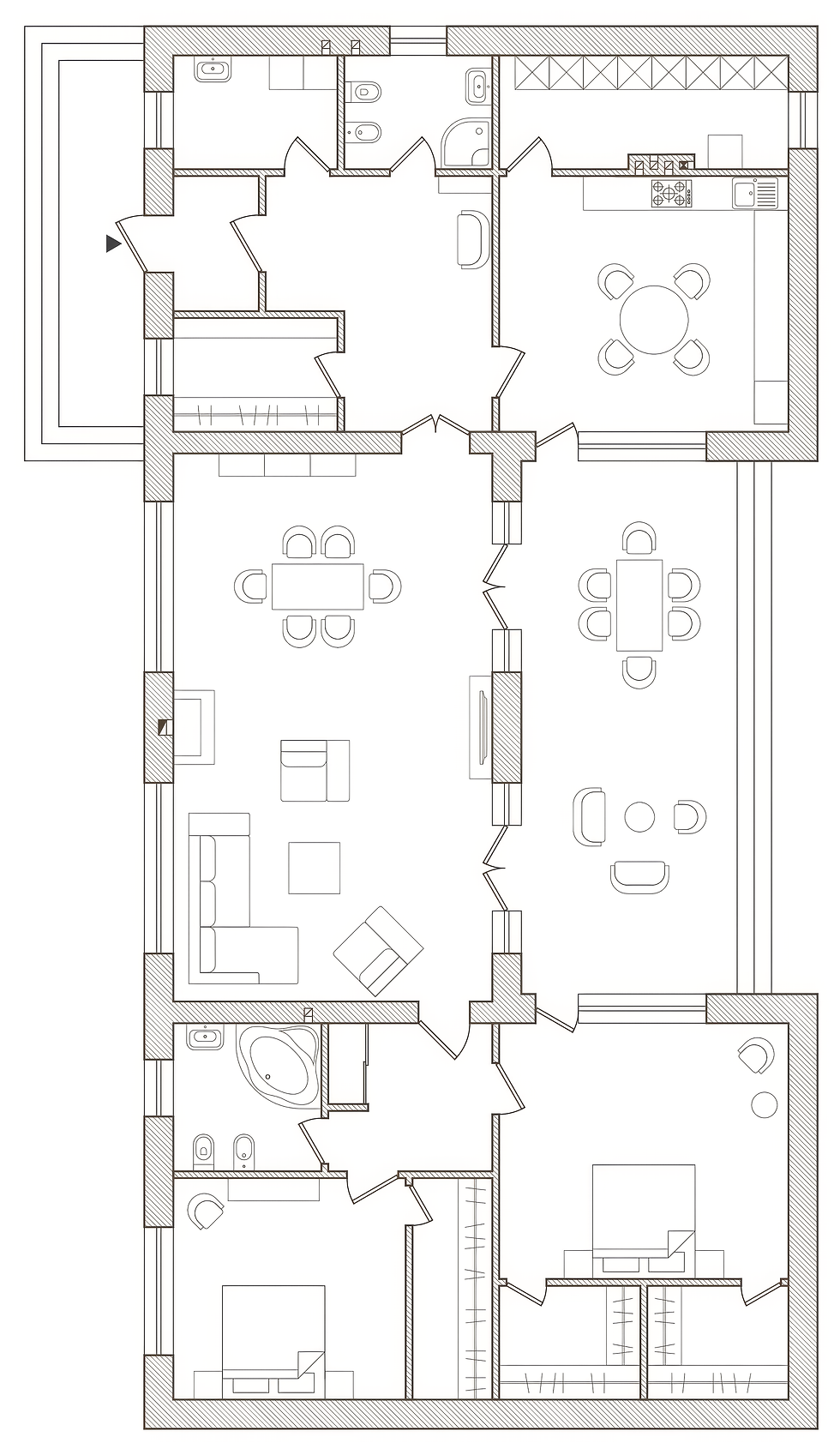
A successful new home doesn’t start with construction—it starts with design. Architecture, interior and exterior design, structural planning, electrical, plumbing, HVAC, and technology all need to be considered together. Personalized smart home solutions belong in this early design phase, not after decisions are already locked in.
Smart home solutions take time to design properly. Just like architectural layouts or interior planning, automation requires understanding how the home will be used, how spaces connect, and how lighting, comfort, energy, security, and entertainment should behave day to day. Waiting until walls are open often means technology is being fit into decisions already made, rather than shaping them intelligently.
For new home builds, personalized smart home solutions work best when developed alongside the full design team. This approach allows technology to integrate naturally into the home’s structure, minimizes visual clutter, simplifies controls, and ensures systems work together as one complete environment instead of a collection of add-ons.

What Personalized Smart Home Solutions Really Mean
Personalized smart home solutions are often confused with preconfigured packages or collections of devices. In reality, personalization has very little to do with the number of features installed and everything to do with how technology is designed to support daily living.
Most packaged smart home solutions are built around fixed feature sets and standard layouts. They assume homes are used the same way and rely heavily on apps, presets, and manual control. Personalized systems take a different approach. They begin with how spaces are actually lived in—how rooms are used, when lighting is needed, how comfort should adjust, and what should happen automatically without being asked.
This is why personalization matters. A best smart home solution isn’t defined by brand names or product lists, but by how well automation adapts to lifestyle. Smart tech home solutions designed around real routines reduce friction, simplify interaction, and allow the home to respond naturally to presence, time of day, and environmental conditions.
The difference between one-size-fits-all systems and personalized smart home solutions is design. When automation is shaped around lifestyle rather than devices, the result is a home that feels intuitive, reliable, and easy to live with—without constant control.
Smart Home Solutions for New Home Builds
Smart home solutions for new home builds work best when personalization happens before construction decisions are finalized. New construction offers a rare opportunity to design technology around how the home will actually be lived in—rather than adapting lifestyle to preselected devices or layouts.
When new smart home solutions for the newly built home are planned early, infrastructure can be designed correctly from the start. Wiring pathways, sensor locations, equipment rooms, and system layout are coordinated alongside electrical, HVAC, and interior plans. This approach allows a complete smart home solution to operate as one cohesive environment instead of a series of disconnected systems.
Retrofitting automation after construction often leads to compromises: limited sensor placement, extra wall controls, visible hardware, and reduced system flexibility. New builds avoid these constraints by allowing automation to be embedded into the structure of the home, not layered on top of it.
For homeowners working with smart home solutions companies, new construction is the moment when personalization truly pays off. Systems can be tailored to daily routines, future needs, and long-term reliability—resulting in a home that feels intentional, efficient, and comfortable from day one.
Designing a Complete Smart Home Solution From the Start
A complete smart home solution isn’t created by assembling individual devices—it’s designed as a single system with shared logic. When smart home solutions are planned from the start, lighting, climate, security, energy, shading, and entertainment operate within one coordinated ecosystem rather than as isolated features.
Many smart home solutions brands focus on specific categories, which can lead homeowners to mix systems that work well on their own but lack cohesion together. A system-level approach avoids this fragmentation by establishing one logic layer that governs how everything behaves. This ensures consistent responses to presence, time of day, and environmental conditions—without requiring constant user interaction.
Control still exists, but it’s no longer the center of the experience. Instead of managing everything manually, control becomes an optional layer—available from a phone, tablet, touchscreen, or smart remote when needed, not required for daily living. The home works automatically first, with control as a convenience rather than a dependency.
Designing a complete solution early also enables long-term scalability. As needs change or new capabilities are added, the system evolves through configuration and software rather than hardware replacement. This protects the original investment and keeps the home functional and intuitive over time.
When smart home solutions are designed as a unified system from the beginning, the result is a home that feels intentional, reliable, and easy to live with—supporting daily life quietly instead of demanding attention.
Personalized Smart Home Lighting Solutions
Lighting is the most used—and most emotionally felt—part of any smart home, which is why smart home lighting solutions shape daily living more than almost any other system. The best results come when lighting is designed around how a home is actually lived in, not around switches, apps, or scenes you have to remember to trigger.
A best smart home lighting solution blends multiple lighting layers into one cohesive experience. This often includes 24V LED lighting and smart LED strip lights integrated into coves, millwork, stair details, cabinetry, and architectural features. These low-voltage lighting solutions allow for cleaner layouts, finer control, smoother dimming, and better visual comfort—especially in modern homes where lighting is part of the architecture, not just the ceiling.
Instead of relying on rows of switches, multifunctional smart light switches act as subtle overrides rather than primary controls. Most of the time, lighting responds automatically—brightening gently in the morning, adjusting as daylight changes, and softening in the evening. Presence, time of day, and ambient light guide the behavior, so the home feels intuitive without constant interaction.
This approach shifts lighting from control to comfort. Manual control is always available, but it’s no longer the default behavior. The system does the work quietly in the background, creating consistency across rooms while reducing visual clutter on the walls.
When smart home lighting solutions are designed as part of a broader automation plan, they integrate seamlessly with interior design. Fewer devices, cleaner lines, and thoughtfully placed lighting layers improve both aesthetics and usability. The result is a home that feels calm, intentional, and finished—where lighting supports daily routines, saves energy, and enhances the overall living experience without demanding attention.
Smart Home Energy Solutions Built Into the Design
True smart home energy solutions work best when they’re designed into the home from the start—not added later as standalone devices. When energy management is part of the overall smart home solutions strategy, efficiency comes from behavior, not constant adjustment.
Instead of relying on manual thermostats, schedules, or apps, energy optimization happens automatically through climate automation. Heating, cooling, ventilation, and shading respond to occupancy, time of day, outdoor conditions, and how different spaces are actually used. Rooms that aren’t occupied don’t consume unnecessary energy, while living areas stay comfortable without occupants needing to think about it.
This behavior-driven approach delivers efficiency without manual control. The home adapts quietly in the background—adjusting temperature, airflow, and energy use based on real conditions rather than fixed settings. It reduces energy waste while maintaining comfort, which is especially important in modern homes with open layouts, large windows, and varied usage patterns throughout the day.
When smart home energy solutions are built into the design phase, they integrate cleanly with architecture and interior design. Sensors are placed intentionally, systems are coordinated, and energy logic works as part of a single ecosystem rather than as disconnected upgrades. The result is a home that feels comfortable, efficient, and sustainable—without dashboards, micromanagement, or ongoing effort from the homeowner.
How Personalized Smart Home Solutions Adapt Over Time
The real value of personalized smart home solutions isn’t just how they perform on move-in day, but how well they adapt as life changes. The best smart home solution is designed to evolve through software and logic updates rather than repeated hardware replacement.
As households grow, work patterns shift, or spaces change function, a well-designed system can be reconfigured without tearing into walls or starting over. Lighting behaviors adjust, climate zones are refined, and automation logic evolves to match new routines—whether that’s working from home, hosting more often, or simplifying daily living over time.
This is where many smart home solutions reviews draw a clear line between packaged systems and personalized design. Systems built around fixed devices and rigid apps tend to age quickly, while automation-first designs remain relevant because the intelligence lives in the system logic, not in a single product generation.
Long-term reliability comes from consistency and predictability. When automation runs locally, follows clear design rules, and is documented properly, it continues to perform years later with minimal intervention. Personalized smart home solutions aren’t about chasing new features—they’re about creating a home that quietly adapts, stays reliable, and continues to feel intuitive as life evolves.
Choosing the Right Smart Home Solutions Company
Not all smart home solutions companies work the same way, and the difference usually shows up years after installation. Many providers focus on installing devices, while fewer approach projects as system design work. That distinction matters.
A strong partner starts with design—how the home should behave, not just what products to install. They provide clear documentation, define system logic up front, and explain how lighting, climate, security, and energy systems work together as one ecosystem. This level of planning is often what separates positive smart home solutions reviews from frustrated ones.
Long-term support is just as important. The right company ensures you’re not locked out of your own system, that changes don’t require starting over, and that updates improve behavior rather than disrupt it. Ownership of system logic, clear service expectations, and a design-first mindset are what turn smart home technology into a reliable, long-term investment instead of a short-lived upgrade.
Personalized Smart Home Solutions Beyond the Devices
True personalized smart home solutions go far beyond choosing devices or comparing feature lists. The most successful smart home solutions are defined by how a home behaves day to day—how lighting responds when you enter a room, how climate adapts quietly in the background, and how systems work together without constant input.
A complete smart home solution starts with design, not products. It considers routines, movement, comfort, and energy use before selecting hardware. Automation is shaped around behavior—presence, time of day, and real-world living patterns—so the home feels intuitive rather than technical.
When technology is designed this way, it fades into the background. Walls stay clean, controls are minimal, and systems work automatically instead of demanding attention. The result isn’t a “smarter” house full of gadgets, but a home that feels calm, responsive, and naturally aligned with how you live.


Comments