
Smart Home Automation Inspirations: Rethinking Comfort, Control, and Daily Living
Smart living has taken many forms over the years. Some homes became “smart” by adding apps and voice assistants. Others refined control through elegant interfaces and remotes. Yet even with more technology, many homes still require constant interaction—tapping, adjusting, and managing systems throughout the day.
True home automation rethinks this relationship. Instead of asking people to operate the house, it designs the house to respond on its own. Lighting adjusts as spaces are used, comfort stays balanced without manual correction, and entertainment appears only when it adds value. The home becomes aware of presence, time, and conditions—and acts accordingly.
This is where automation shifts from convenience to experience. In a logic-driven home, daily living unfolds naturally. You arrive, move, relax, and leave, while the house quietly supports each moment in the background.
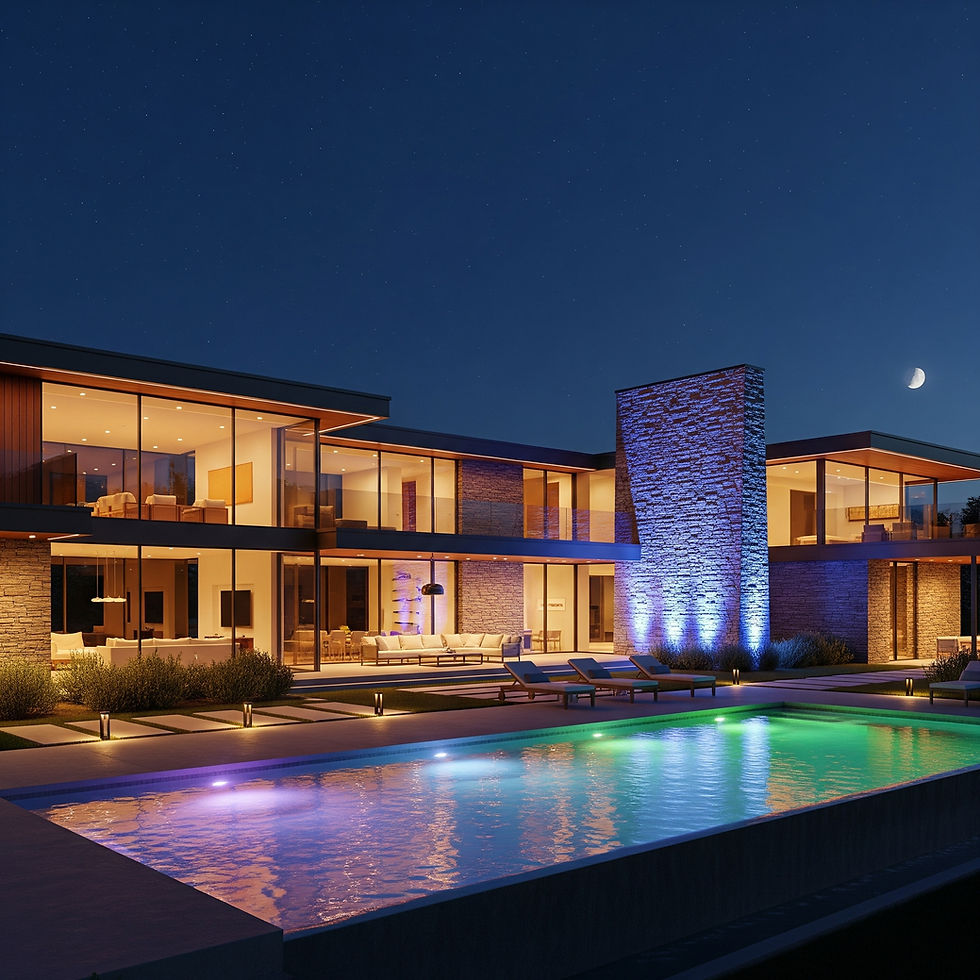
What follows is a guided tour through a fully automated home—indoors and out—showing how lighting, comfort, entertainment, and awareness come together to create a calmer, more intuitive way of living.

Three Ways Homes Became “Smart” — And Why They Feel So Different
Over time, homes have evolved along three distinct paths, each changing how people interact with technology—but with very different outcomes in daily living.
Smart homes focus on accessibility. Voice assistants, mobile apps, and connected devices make it easier to issue commands. Lights turn on when asked, thermostats adjust remotely, and routines can be triggered on demand. The experience is convenient, but the home still waits for instruction before anything happens.
Control-first systems refine that interaction. Instead of many apps or voice commands, they centralize control through polished interfaces—touch panels, remotes, and keypads. Everything is accessible from one place, often beautifully so. The home responds quickly and reliably, but it still depends on someone telling it what to do.
Home automation takes a fundamentally different approach. Rather than improving how commands are issued, it reduces the need for commands altogether. Behavior is designed into the system using logic, presence, time, and environmental awareness. Lighting adjusts as spaces are used, comfort stays balanced automatically, and systems coordinate quietly in the background.
The difference becomes clear in everyday life: Smart homes wait. Control systems respond. Automation anticipates.
This shift—from interaction to awareness—is what transforms technology from something you manage into something that supports how you live.
Automation Begins When the House Is Already Paying Attention
Automation doesn’t start with buttons, apps, or voice commands—it starts with awareness. When a home understands presence, daylight, time of day, and changing conditions, lighting, climate, and entertainment become natural responses rather than manual actions.
In this kind of environment, systems don’t wait to be told what to do. Lighting adjusts as people move through spaces. Climate stays balanced as rooms are occupied or left empty. Entertainment appears when it adds value and fades away when it doesn’t. Each response is an effect of awareness, not a result of constant interaction.
This is the foundation of what can be described as autopilot living. The home observes quietly, makes small adjustments continuously, and maintains comfort without drawing attention to itself. Control is still available when needed, but most of the time it stays in the background.
When a house is already paying attention, daily living feels smoother and less demanding. Technology stops interrupting routines and starts supporting them—creating an experience that feels intuitive, calm, and intentionally designed.
Arriving Home — Driveway, Entry, and First Light
The experience begins before you step inside. As you arrive home, driveway and pathway lighting adjust automatically—bright enough to guide you safely, soft enough to avoid glare. There’s no sudden flood of light, no switches to hunt for. Illumination appears exactly where it’s needed, responding to arrival rather than announcing itself.
At the entry, lighting layers gently instead of snapping on. Exterior and interior light work together to create a smooth transition from outside to inside, preserving comfort and atmosphere after a long day. The home feels welcoming, not reactive.
If entertainment is part of the moment, background audio begins subtly—never abruptly, never by default. Music may follow presence into shared spaces or remain silent, depending on time of day and context. The house reads the moment before making a decision.
This first impression sets the tone for everything that follows. The home doesn’t wait for commands or controls. It responds to arrival naturally, proving a simple idea: when automation is designed around awareness, the house greets you before you ever touch a switch.
Moving Through the Home — Lighting That Shapes the Space
As you move through the home, lighting adjusts quietly in response to presence and daylight. Brightness shifts naturally as sunlight changes, maintaining balance without drawing attention to the system behind it. Rooms feel consistent and comfortable, even as conditions evolve throughout the day.
Accent, ambient, and task lighting work together automatically. Instead of thinking in terms of “on” or “off,” light layers adapt to how each space is being used—supporting focus, relaxation, or transition without requiring manual input. The result is lighting that feels composed rather than programmed.
There are no scenes to trigger and no routines to remember. Behavior defines the look. The home understands when subtle guidance is needed and when light should recede into the background.
With automation handling most daily adjustments, walls stay clean and intentional. Switches are present where interaction makes sense, but they no longer dominate the space. Lighting becomes part of the architecture itself—shaping mood and movement without becoming a task to manage.
Lighting becomes atmosphere, not a control task.
Comfort and Sound That Follow You
Comfort doesn’t stay confined to a single room, and neither should the systems that support it. As you move through the home, room-by-room climate balances quietly in the background. Each space maintains comfort based on how it’s used, without sudden changes or the need for manual adjustment.
Sound follows the same principle. Music responds to presence rather than fixed zones that require management. It appears naturally in shared spaces when appropriate and fades as you move on, without the need to start, stop, or redirect it manually.
Entertainment adapts to context. Time of day, activity, and environment shape how audio behaves—energetic when it fits the moment, restrained when it doesn’t. Just as importantly, silence is respected. The system knows when not to play anything at all.
By coordinating comfort and entertainment through awareness rather than commands, the home avoids competition between systems. Climate, sound, and lighting work together to support the moment, creating an experience that feels intentional, calm, and effortlessly aligned with daily life.
Living Without Managing
As automation takes over the small, repetitive decisions, daily life becomes noticeably quieter. There’s less to think about, fewer settings to adjust, and fewer moments spent checking an app to see if something is on or off. The home simply maintains balance on its own.
Interactions decrease because they’re no longer required. Lighting adapts, comfort stays consistent, and entertainment appears only when it adds value. Instead of managing systems throughout the day, you move through spaces that already feel prepared for you.
Control is still available when it’s needed. Manual interaction hasn’t disappeared—it’s just no longer central. Overrides exist for the rare moments when preferences change, but they don’t define the experience.
This is the emotional payoff of true automation. When technology stops asking for attention, it fades into the background. The home feels calmer, more intuitive, and easier to live in—proving that the best automation is the kind you barely notice at all.
Evening and Night — Lighting, Quiet, and Rest
As the day winds down, the home’s behavior shifts with it. Lighting softens gradually, guiding movement through spaces without waking the entire house. Pathways and key areas remain visible, while brightness stays low enough to preserve a sense of calm.
Entertainment follows the same restraint. Audio levels lower naturally or disengage altogether as the evening progresses, respecting quiet hours and the need for rest. The home understands that silence can be just as important as sound.
Climate transitions for sleep without dramatic changes. Temperatures adjust gently, maintaining comfort through the night without sudden cycles or noise. Each room settles into a state that supports rest rather than activity.
At the same time, security awareness increases quietly. Exterior lighting, access monitoring, and presence detection remain alert without becoming intrusive. Nothing announces itself, yet everything remains attentive.
Good automation doesn’t compete with the moment—it fades away. By knowing when to act and when to step back, the home creates an environment that feels safe, calm, and naturally aligned with the rhythms of evening and rest.
Leaving for Vacation — The House on Autopilot
When it’s time to leave for vacation, the home doesn’t need a checklist. Lighting begins to simulate presence naturally, shifting patterns in a way that feels lived in rather than scripted. From the outside, the house looks occupied without broadcasting that it’s following a routine.
Entertainment stays silent—not simply turned off, but intentionally inactive. The system understands the difference between absence and shutdown, keeping the home calm and undisturbed while you’re away.
Inside, climate and humidity continue to protect the building itself. Temperatures remain stable, moisture stays within healthy ranges, and systems operate efficiently to prevent damage or discomfort. The home maintains balance without unnecessary runtime.
Most importantly, alerts are meaningful. You’re notified only when something truly requires attention, not for every routine event. There’s no need to check in constantly or wonder if everything is okay.
This is confidence through automation. You don’t monitor the house from afar—the house takes care of itself, allowing you to disconnect completely and enjoy time away.
Smart Home Automation Inspirations — Living on Autopilot
After a long, demanding day—meetings, decisions, energy spent—you’re already thinking about tomorrow as you turn onto your street. As you approach the driveway, your car is recognized. The gate opens quietly. Ambient lights trace the driveway ahead, guiding you home without glare, without effort.
You don’t rush. You simply follow the light.
As you arrive, the garage opens automatically with a single tap on “Home” in your CarPlay or Android Auto screen. Soft, familiar music begins to play. Garage lights come on gently, and as you step inside, the music and lighting follow you into the mudroom.
You hang your coat. Take off your shoes. No switches. No words. Just movement.
The house understands you’re tired.
As you walk toward the kitchen for a glass of water, lighting shifts naturally, staying just ahead of you. Music stays present, calm, unobtrusive. Nothing demands attention. Everything supports the moment.
You head to the bedroom, then into the bathroom. The room is already warm. The shower is ready. Steam rises into balanced air, and the lighting settles into a relaxing tone. Music continues—exactly where you want it.
While taking a contrast shower, you decide to adjust the mood. A gentle wave near the tiled wall activates a touch surface. One tap shifts the lighting color. Another brings the shower audio volume up. A third switches to your favorite playlist—and you start singing. No voice commands. No screens. Just subtle control, exactly when you want it.
When you step out, you don’t think about turning anything off. You simply leave. The lights fade. The music softens and disappears. Ventilation runs as needed, then rests.
Later, you move into the living room. Music fades away as lighting adjusts. The TV turns on to your preferred news channel. The house settles into evening mode with you.
When it’s time for bed, a triple tap on the bedside touch switch tells the house it’s time to sleep. Lights turn off. Entertainment shuts down. Doors are checked. The garage is confirmed closed. The house becomes quiet, alert, and ready for the night.
During the night, if you wake for a glass of water, soft pathway lighting follows you—just enough to guide you safely. You never search for a switch. You never break the calm. The home moves with you.
Morning comes gently.
An alarm sounds. “Good morning, Dave” Lights rise slowly, easing you into the day. Climate adjusts. The house wakes with you.
And when you leave for work, a single tap on “Away” in your car tells the house everything it needs to know. Lighting, security, climate, and energy shift automatically. The home stays safe, balanced, and attentive until you return.
This is what automation feels like when it’s designed properly. Not controlled. Not managed. Just lived in.

Why Loxone Fits This Way of Living
That wasn’t a demo or a feature list—it was a night in Dave’s life. Not scripted, not controlled step by step, but supported quietly by a home that understands how he moves, rests, works, and disconnects. The technology didn’t ask for attention. It followed his rhythm.
This is where Loxone fits naturally. Loxone is built around logic-first automation—the idea that lighting, climate, entertainment, energy, and security should operate under one system brain — designed for longevity. Instead of stitching together devices and interfaces, behavior is designed once and carried consistently across the entire home.
Homes designed this way don’t depend on cloud services or constant input. Loxone operates locally, responding in real time to presence, daylight, time, and conditions. That local operation is what gives the system long-term reliability and predictability, even as the home evolves over years of living.
This approach also changes how automation is created. Rather than assembling features, the system is shaped around real scenarios—how you arrive home, how evenings unwind, how nights stay calm, how mornings begin. The technology adapts to life, not the other way around.
That’s the philosophy Heyo Smart follows when designing Loxone-based automation. The process starts with your scenarios, your routines, and your priorities. From there, the system is planned, documented, and built to support how you live—so you can enjoy the experience without managing the technology behind it.
Loxone isn’t designed for homes that need to be operated. It’s built for homes that live with you.
Inspiration Comes From Design, Not Devices
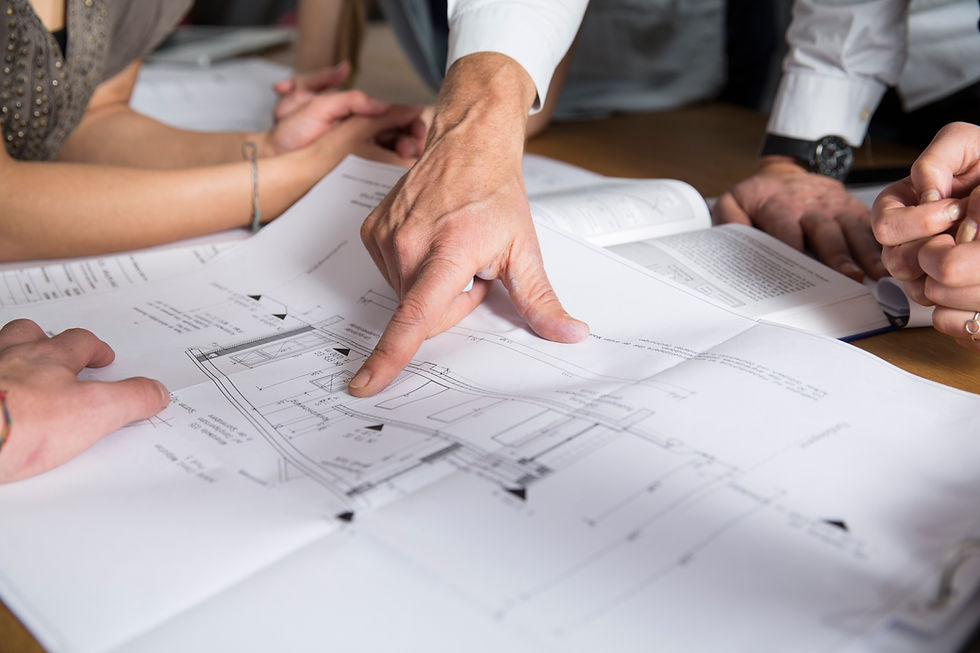
The most compelling Smart Home Automation Inspirations aren’t defined by the devices they contain, but by the decisions made long before installation begins. When automation is planned on the floor plan, technology becomes part of the architecture instead of an afterthought layered onto finished spaces.
Lighting and entertainment work best when they’re considered early. Their placement, behavior, and interaction with the home influence wall design, ceiling details, circulation paths, and how spaces feel throughout the day. Planning these systems upfront avoids cluttered walls, awkward control locations, and compromises that are difficult to undo later.
This approach also reduces regret. Fewer switches don’t mean less control—they mean better decisions. When behavior is designed first, interaction becomes optional rather than mandatory, and the home remains intuitive even as technology evolves.
Systems designed this way age gracefully. They adapt through logic rather than renovation, remain understandable years later, and continue to support daily life without demanding attention. Inspiration doesn’t come from adding more devices—it comes from designing a home that works naturally, today and well into the future.
Rethinking Daily Living
Smart living isn’t about filling a home with more technology or learning new ways to control it. It’s about creating an environment that feels intuitive, supportive, and calm—one that responds naturally as life unfolds.
When automation is designed around behavior, daily routines stop revolving around apps, switches, and commands. Lighting, comfort, entertainment, and security work together quietly, adjusting as needed without interrupting the moment. The home feels present, but never demanding.
This shift changes how technology is experienced. Instead of drawing attention, it recedes into the background. Instead of adding complexity, it removes it. The house becomes a steady companion rather than something to manage.
Smart living isn’t louder, brighter, or more complex.
It’s calmer—because the house already knows.

Comments